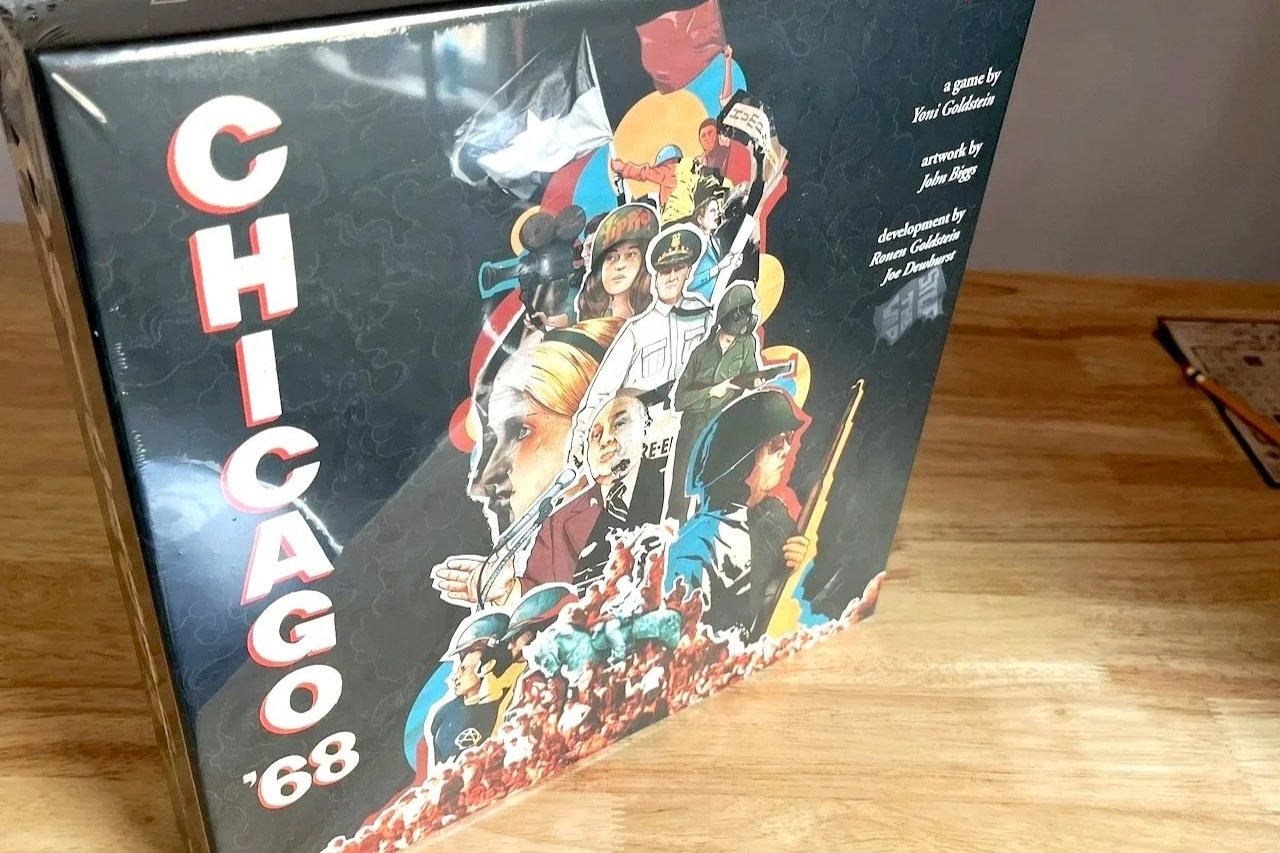
Chicago ‘68 Designer Interview with Yoni Goldstein
Chicago ‘68 designer Yoni Goldstein talks about how he modeled the three days of pandemonium during that infamous summer.
After interviewing Chicago ‘68 game designer and filmmaker Yoni Goldstein, I pinged The Moms — who grew up in Chicagoland with her four siblings — about it. She told me one of my uncles had been driving a cab in Chicago during that summer. He’d somehow been caught in one of the many fracases and had some teeth knocked out.
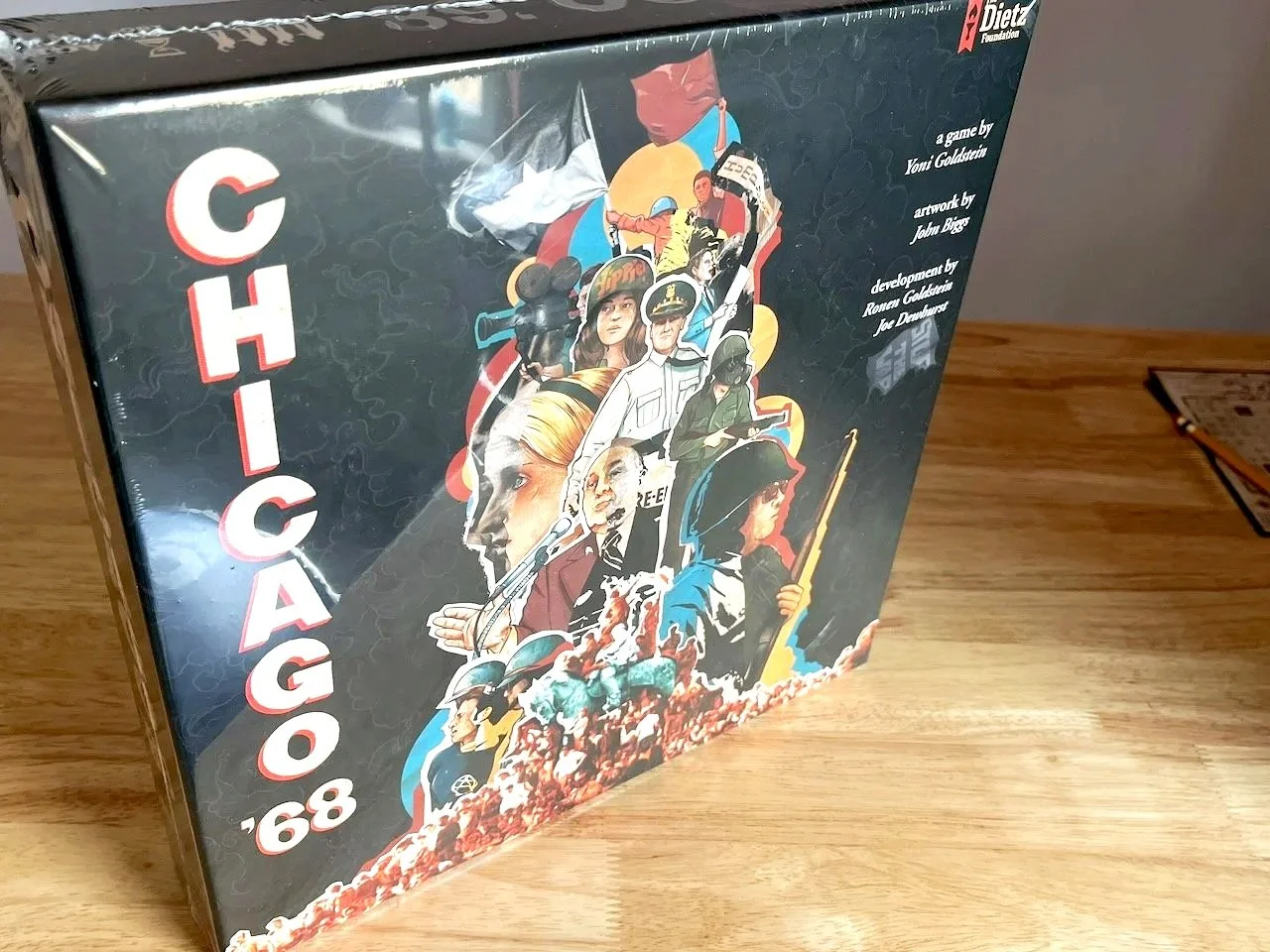
Chicago boils over: From one to four players can get a lungful of teargas as the establishment cracks down on the activist groups that descended on the city for the 1968 Democratic National Convention.
More than that I don’t know. But it was more than the setting and incidental family connection that got me on a recording line with Goldstein.
Encountering Vijayanagara: The Deccan Empires of Medieval India, 1290-1398 sharpened my general interest in titles that focus on other pockets of history, model other modes of conflict.
How did Goldstein choose to model the pressure cooker of the Chicago streets as activist groups — MOBE, the Yippies — tangled with the Chicago Police Department and Mayor Daley’s administration?
He answers that in spades. As he draws the system, the conversation turns to the era at large. I learn, among many other things, that French underground writer Jean Genet snuck into the country to connect with the leftist vanguard there. We touch on the William F. Buckley-Gore Vidal debates, a more genteel version of the Chicago clash mirrored on TV during the Republican National Convention in Florida.
We also learn about Yoni’s next project — a game that focuses on the Luddite rebellion in England — in this far-ranging and toothsome chat.
Like playing the historical underdog? Check out my review of Resist! and Pavlov’s House
Ghost in the Shell TTRPG: Preview Designer Chat With Alessio Cavatore
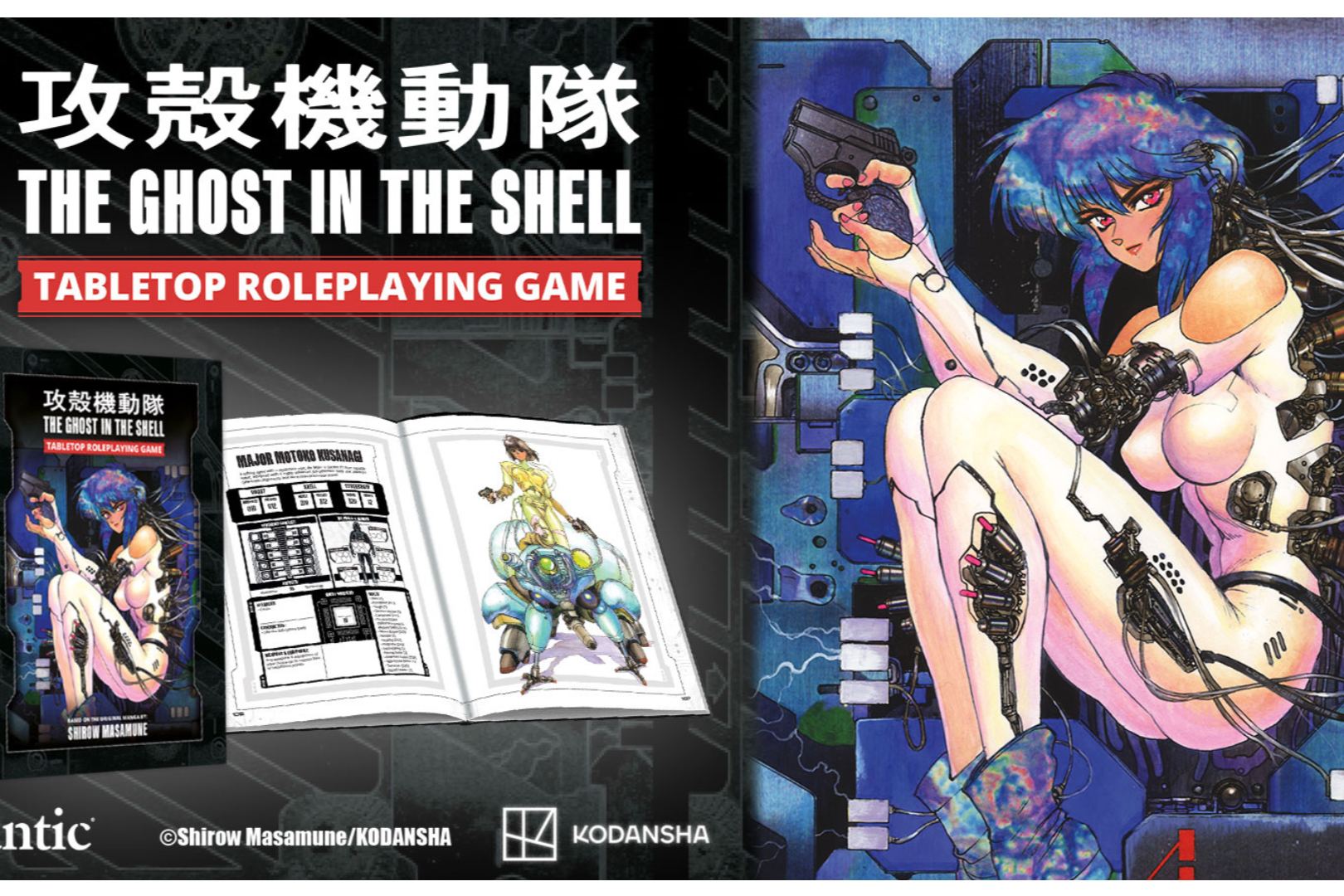
Designer Alessio Cavatore teams up with writer Zach Barouh for a plum assignment: Make Section 9 playable and faithful to the setting.
How does your first day as a Section 9 agent play and feel?
Designer Alessio Cavatore and writer Zak Barouh had to answer that question when Mantic Games acquired the license to translate one of manga’s most beloved franchises into a TTRPG: Shirow Masamune’s Ghost in the Shell.

Alessio Cavatore’s extensive track record in miniature and skirmish games — and his love for the original material — prepared him well to tackle Ghost in the Shell’s fast, lethal world of combat and ideas
Breakup Gaming Society’s resident indie TTRPG curator Walton Wood leads a talk with the disarming Cavatore, who talks about the thrill of being able to use all-original art from the manga and the collaborative challenge of making a system that was true to the beloved (and very dangerous) setting.
The toughest design conversations for Cavatore and Barouh yielded some of the most interesting fruit for GMs and players: Formalized tools for developing agents’ inner conflicts and richer storylines; bringing the original work’s philosophical underpinnings to the fore while quantifying the mix of augmentation, tech, and weapons that make combat fast and lethal.
Any firefight could be your last. Any mission could render your agent a burnout.
Cavatore’s depth of field in design, his giddy enthusiasm for the source material, and how he reveals himself as both a maker and a player made this one of our best recent talks. Check it out in the player above.
The Ghost in the Shell Tabletop Roleplaying Game launches in Summer 2026 from Mantic Games — hit the BackerKit page for more.
I’m seven sessions deep in Dwelling, a solo RPG for ghosts.
Mix Up Fairy Tales: Interview With Warcradle Studios Co-Designer Robin Cruddace
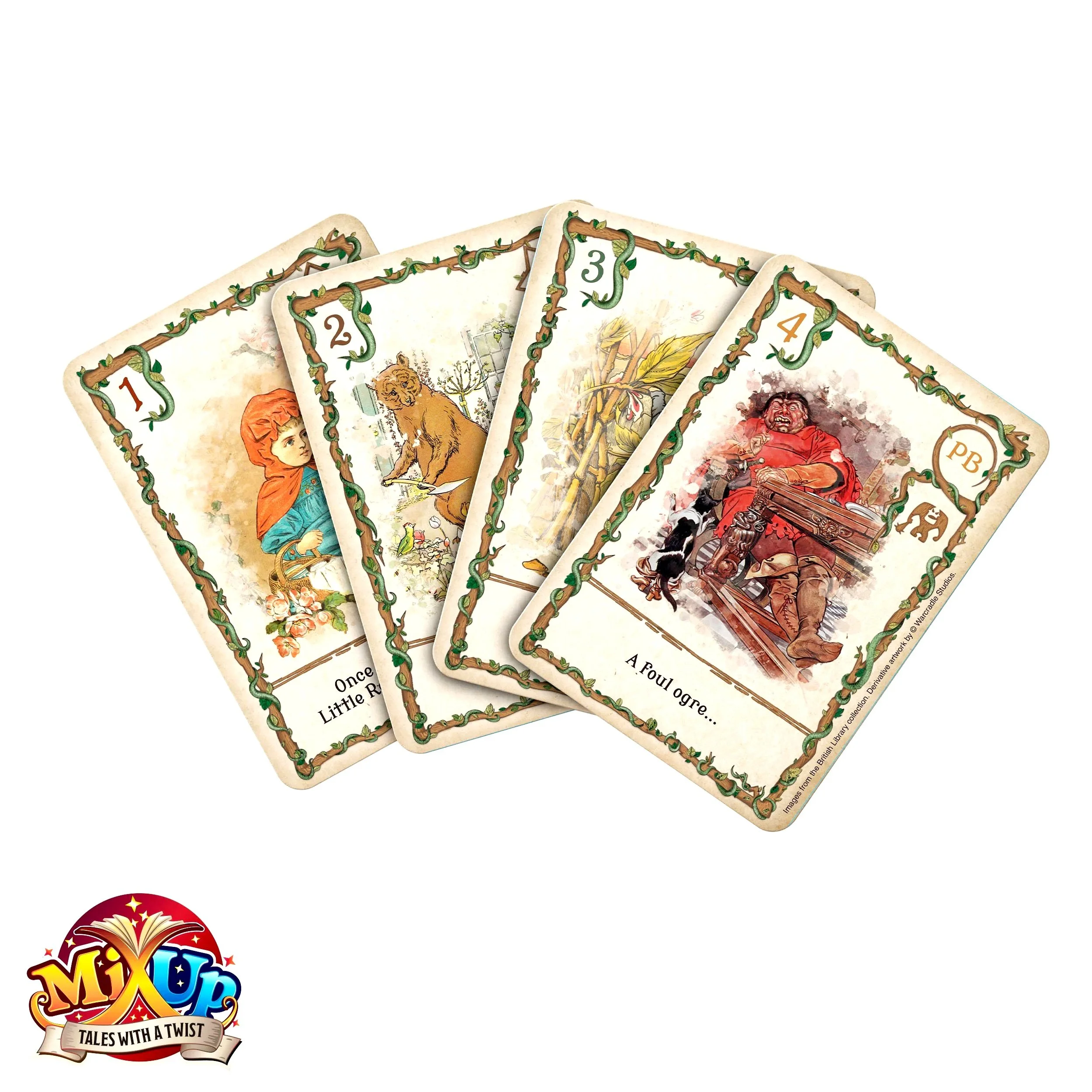
Warcradle Studios’ Robin Cruddace talks to us about Mix Up Fairy Tales, a co-op family storytelling card game designed in collaboration with the British Library.
What happens when two designers from Warcradle Studios — Ziz Simoens and Robin Cruddace — get to raid the British Library’s sumptuous vaults of period fairy tale art?
You get Mix Up Fairy Tales, a family card game where two to six players remix the elements of eight classic yarns simultaneously — with a milestone scoring challenge system that leavens the laughs with some strategy.

Mix Up Fairy Tales co-designer Robin Cruddace got some help forming the core play concept when his daughters got their hands on some prototype art. There may be lucrative consulting work in their future.
Puss in Boots can find himself contending with the giant from Jack and the Beanstalk, for instance. And if playtesting reports are to be believed, seeing Goldilocks pushed into an oven might be just as important to your group as meeting the game’s scoring requirements.
The project arose from the British Library’s Fairy Tales exhibit (running until Aug. 23, 2026 in London). The Warcradle team broached the possibility of spinning up a companion family card game.
Simoens and Cruddace were paired up for the design work, which included working with British Library staff to comb a massive stock of vintage storybook art. The game found its core concept when research artwork fell into the hands of Cruddace’s two daughters, whose spontaneous play with the cards revealed a direction that could engage younger and older players at the table.
Breakup Gaming Society host Nate Warren and contributor Walton Wood talked to Cruddace about the origin of the project, the concept of the game, the importance of multigenerational play and storytelling — and the surprises he found in both the stacks of the Library’s art and on the playtesting table.
Take a look at Mix Up Fairy Tales for yourself at Wayland Games or via the British Library Online Shop.
BONUS: Meet Professor Phelyx and learn about tarot’s history as a storytelling game.
NINJA BORG TTRPG: The Game that Says “Yes” to Hysterical Killing
I needed an explanation as to why there were 32 shuriken types available in NINJA BORG character. IT’S BECAUSE NINJAS
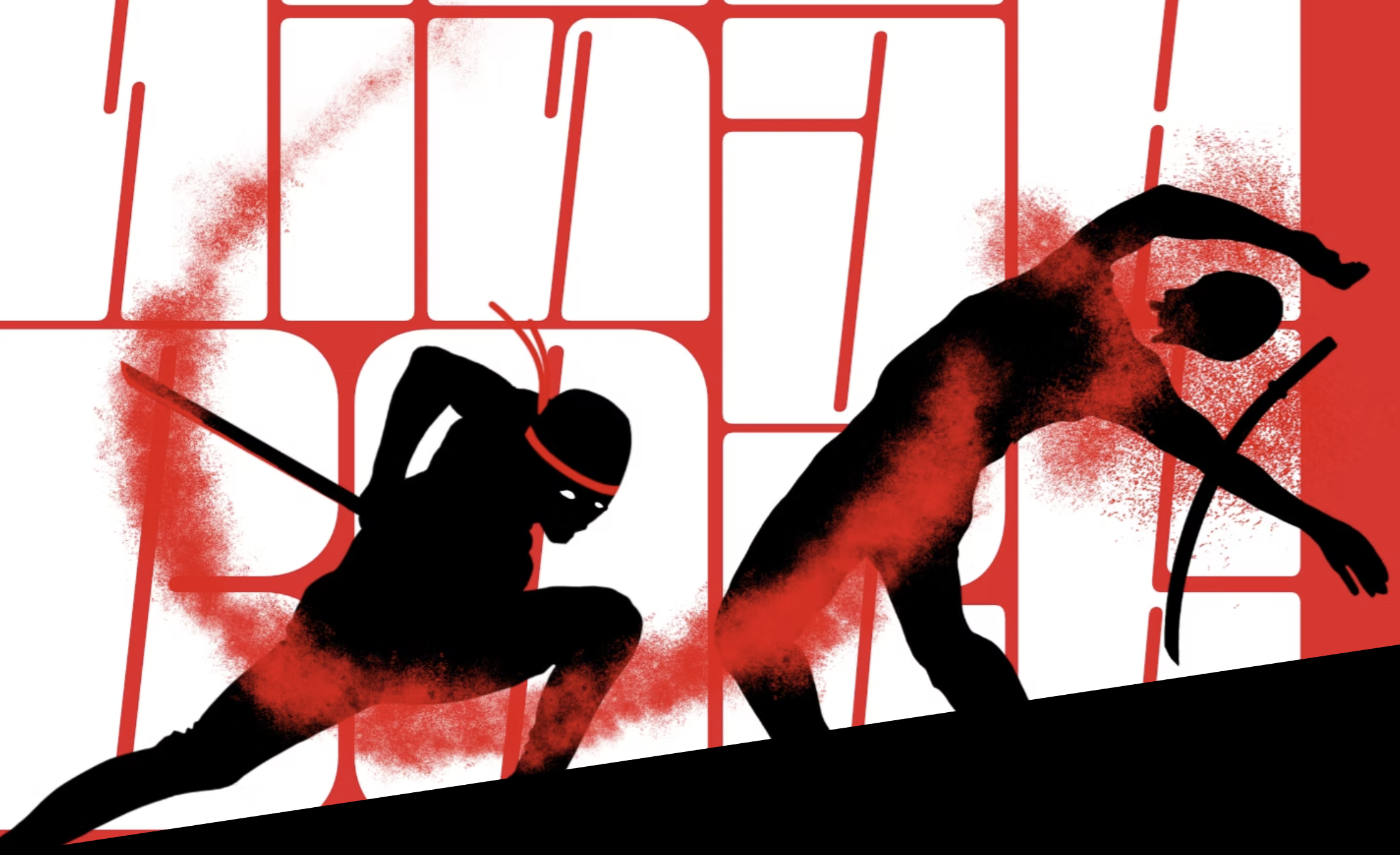
Would you like to go on an ‘80s movie-style ninja killing spree? Get off some one-liners? Pick from 32 shurikens for no reason other than that it’s beautiful and fun?
Walton Wood and Rugose Kohn, the makers of NINJA BORG, made a pretty book that lets you arm up with a ludicrous backstory and start the sneaking, slicing, and dicing. Why get borged down in the details?
I queried them about the thinking behind the RPG book — and the blood-drenched results. A lot of results.